The Future of Attendance is Invisible
Global OneTap editors recognise how R1 is transforming campus security and student engagement through ambient computing technology
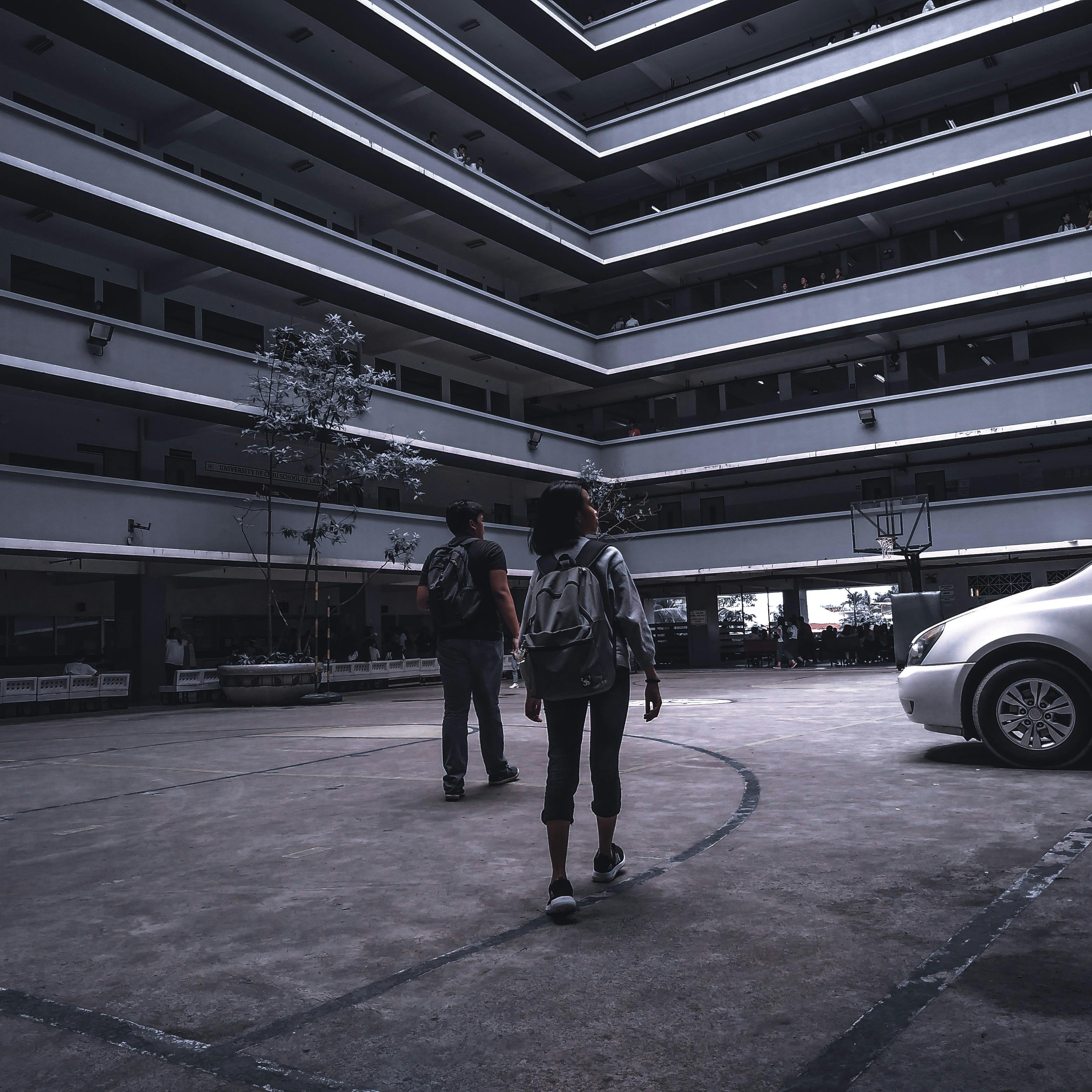
In the rapidly evolving landscape of educational technology, the mechanism of attendance has remained surprisingly archaic. While we carry supercomputers in our pockets, millions of students still line up to scan cards or raise hands—a friction-filled start to every class that wastes widely valuable instruction time.
OneTap R1 changes this paradigm completely. By leveraging advanced spatial fusion arrays (SFA), we've effectively made the technology disappear. The system identifies presence through non-invasive, privacy-first spatial mapping, ensuring that "being there" is all that's required to be counted.
A New Standard for Privacy
When we designed the R1, privacy wasn't an afterthought—it was the foundation. Unlike camera-based systems that rely on facial recognition (and the massive databases that come with it), our SFA technology creates a temporary, anonymized vector field. It sees movement and device proximity, not faces.
We didn't just want to make attendance faster. We wanted to make it invisible, ethical, and seamless.
This approach solves two problems at once: efficiency and ethics. Institutions get the verified data they need for funding and safety, while students retain their right to privacy. There are no cameras to cover, no databases to hack, and no biometric data to compromise.
Ambient Computing in Education
The R1 represents a shift towards "ambient computing"—technology that exists in the background, supporting human activity without demanding attention. In a classroom equipped with OneTap, the focus returns to where it belongs: the connection between teacher and student.
As we roll out the Next Gen Campus initiative, we aren't just installing sensors; we are upgrading the operating system of the physical educational environment. The result is a campus that is safer, smarter, and profoundly more human.